

If your landlord’s property is in foreclosure, you don’t have to leave immediately. Florida law and federal protections, like the Protecting Tenants at Foreclosure Act (PTFA), safeguard tenants during this process. Here’s what you need to know:
- Lease Protection: If you have a valid lease signed before foreclosure, the new owner must honor it until it expires.
- 90-Day Notice: Month-to-month tenants or those without a lease must receive a written 90-day notice before moving out.
- Section 8 Tenants: Rental assistance continues, even if ownership changes.
- Rent Payments: Keep paying rent to your current landlord until ownership is legally verified.
- File a Notice of Tenancy: Notify the court of your lease to ensure your rights are upheld during proceedings.
Following your lease terms, keeping records, and confirming new ownership are critical steps. If you’re unsure, consult a foreclosure attorney for guidance. These protections are designed to give you time and stability during uncertain circumstances.
What Are Tenant Rights When Landlord Is In Foreclosure? – CountyOffice.org
Legal Protections for Tenants in Foreclosure
If the property you’re renting goes into foreclosure, you’re not left without options. Legal measures are in place to protect renters, giving you time and the ability to plan your next move without facing immediate eviction.
Protecting Tenants at Foreclosure Act (PTFA)
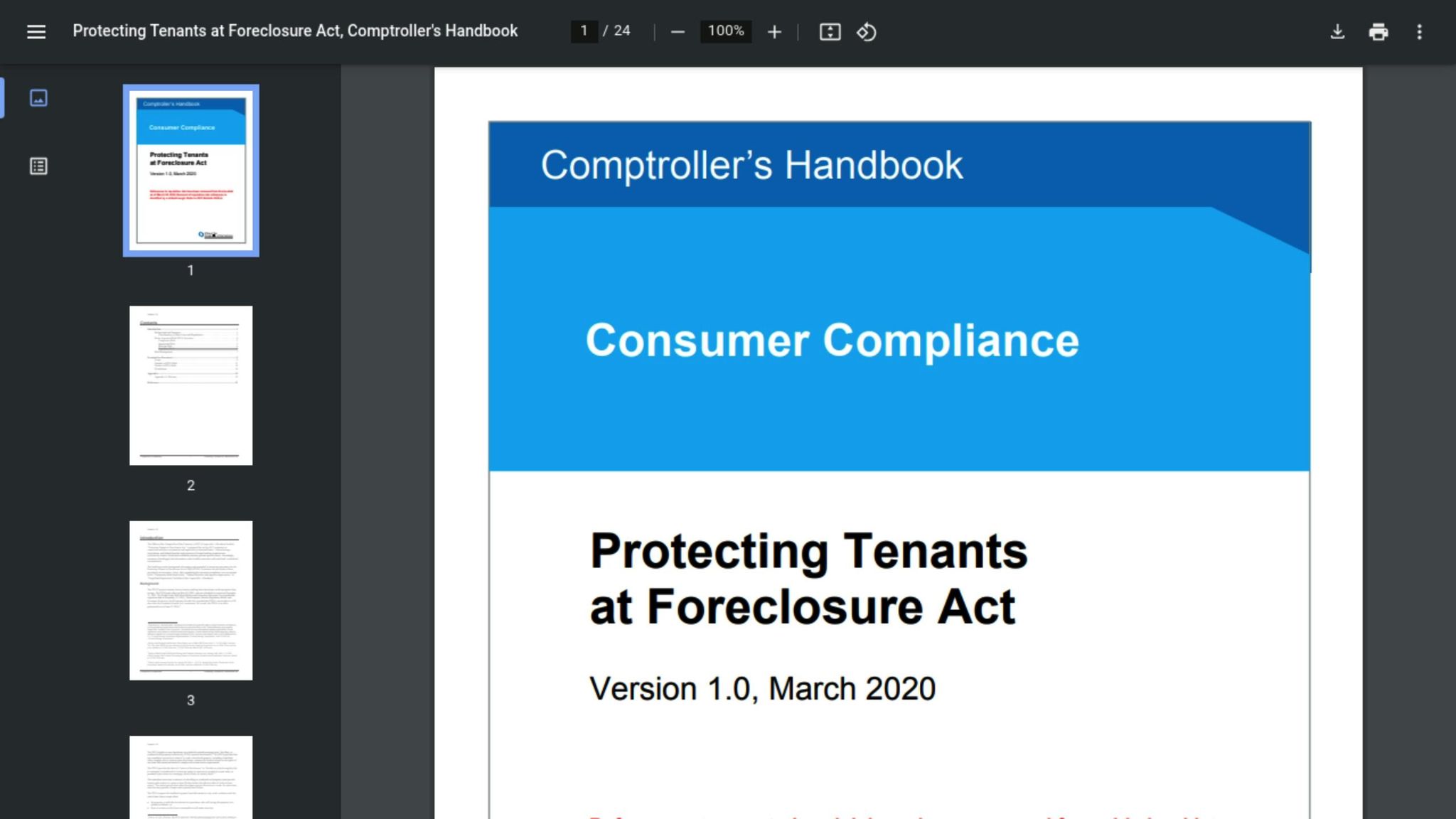
The Protecting Tenants at Foreclosure Act (PTFA) is a key federal law designed to safeguard tenants during foreclosure. If you have a bona fide lease that was signed before the foreclosure process began, you’re entitled to stay in the property until the lease expires. For those renting month-to-month or without a written lease, the new property owner must provide at least 90 days’ notice before requiring you to leave. Even if the new owner intends to occupy the property, they’re required to give you the same 90-day notice.
For tenants participating in the Section 8 Housing Choice Voucher program, the PTFA ensures that rental assistance continues uninterrupted, even as ownership of the property changes.
Florida State Tenant Protections
Beyond federal protections, Florida state law provides additional safeguards for renters. These laws uphold the terms of existing lease agreements, even after foreclosure. If you signed a valid lease before the foreclosure process started, the new property owner is generally required to honor the terms of your lease – including the agreed-upon rent and lease duration.
Bona Fide Tenant Requirements
To receive the strongest protections under the PTFA, you must meet the criteria of a "bona fide tenant."
| Bona Fide Tenant Requirement | What It Means | Why It Matters |
|---|---|---|
| No family relationship | You cannot be the spouse, child, or parent of the property’s previous owner (the mortgagor). | Ensures the lease is an independent, legitimate agreement. |
| Arms-length transaction | The lease must result from fair and impartial negotiations. | Confirms the authenticity of the rental arrangement. |
| Fair market rent | Rent must reflect market rates or be adjusted through a documented subsidy. | Verifies that the tenancy is genuine and not artificially favorable. |
Meeting these qualifications strengthens your legal rights under the PTFA, allowing you to stay in the property for the full term of your lease. However, if your rent is significantly below market rate without an approved subsidy, you may lose bona fide tenant status. Even if you don’t meet all the bona fide criteria, you may still be entitled to some level of protection – though these rights are generally more limited.
Notice Requirements and Lease Terms During Foreclosure
The Protecting Tenants at Foreclosure Act requires that tenants receive at least 90 days’ written notice from the new owner before they’re asked to move out. This federal law is designed to give tenants enough time to find alternative housing. By mandating this notice period, it provides renters with a clear timeframe to plan their next steps and understand any additional obligations if the foreclosure moves forward.
sbb-itb-d613a70
Tenant Responsibilities During Foreclosure
During a foreclosure, tenants have specific responsibilities that help protect their rights. By meeting these obligations, you can better safeguard your position under both federal and Florida state laws throughout the process.
Paying Rent During Foreclosure
Keep paying rent to your current landlord during the foreclosure process, and verify ownership before paying anyone else. Your rental agreement remains valid even during foreclosure. As Miami-Dade County explains:
"Remember that legally you must continue to pay rent to your landlord during the foreclosure process."
If someone new claims to own the property and requests rent payments, don’t act immediately. Instead, confirm their legal ownership. Miami-Dade County advises:
"If this happens, you must make sure that the person who contacts you is really the new owner. You should ask for proof that he is the new owner before you pay him any rent."
Ask for official documentation like a deed or court order to verify their claim. Failing to pay rent or paying the wrong person could put your tenant protections at risk and might even lead to eviction proceedings unrelated to the foreclosure.
In addition to paying rent, following your lease agreement is equally important to maintain your legal standing.
Following Lease Terms
Stick to the terms of your lease and keep records of all rent payments and communications. Your lease remains enforceable during foreclosure, and any violations – like ignoring rules about pets, guests, or property maintenance – could weaken your position. Even with tenant protections in place, breaking lease terms could give landlords or new property owners grounds to evict you, bypassing certain foreclosure protections.
By adhering to your lease, you strengthen your legal protections and demonstrate good faith as a tenant.
Filing a Notice of Tenancy
To ensure the court is aware of your tenancy, file a Notice of Tenancy if you receive foreclosure paperwork. This document formally notifies the court of your occupancy and ensures you receive updates about the foreclosure case. Often, tenants are listed as "unknown tenant" or "John/Jane Doe" in foreclosure complaints, making this step critical to protecting your rights.
Your Notice of Tenancy should include:
- Your full name and the property address
- Your landlord’s name and the monthly rent amount
- The expiration date of your lease
- A copy of your lease agreement attached to the filing
File this notice with the Clerk of Courts in the county where the foreclosure case is being handled. If you receive a foreclosure lawsuit, you should also submit an "Answer" to the court. In this response, state that you live in and rent the property, provide your lease expiration date, and attach a copy of your lease agreement. Filing these documents ensures the judge and mortgage company recognize your tenancy and keeps you informed about the foreclosure proceedings. Missing this step could result in losing access to critical updates that might impact your housing situation.
Steps to Protect Your Rights as a Tenant
Taking the right steps during a foreclosure can help you secure time to plan your next move and ensure you receive the protections Florida law provides.
Verify Foreclosure and Ownership Status
Start by checking your county’s online public records and Clerk of Court websites for foreclosure filings. Use the property address, owner’s name, or folio number to locate the legal description of the property. Look in the "Official Records" or "Recorded Documents" sections for foreclosure filings, specifically a Lis Pendens – this document officially begins the foreclosure process. Reviewing these records, along with court dockets, will help you confirm if a foreclosure case has been filed and its current status. If you find no filings, the foreclosure notice may not be valid.
Once you’ve confirmed the foreclosure, reach out to the new owner promptly to discuss your lease.
Contact the New Property Owner
Get in touch with the new owner to confirm the terms of your tenancy. Before making any rent payments, ask for official proof of ownership, such as a deed or court order. As Miami-Dade County advises:
"Sometimes, the new owner will ask if you want to keep living in the property. If this happens, you must make sure that the person who contacts you is really the new owner. You should ask for proof that he is the new owner before you pay him any rent".
Clarify who should receive your rent payments and where they should be sent. If you have a valid lease, its terms usually transfer to the new landlord and remain in effect until the lease expires – unless the new owner plans to live in the property as their primary residence. Discuss your lease terms and the new owner’s intentions. They may want you to stay, occupy the property themselves, or sell it. Even if you have a valid lease, you could receive a 90-day notice to vacate. In some cases, the new owner might offer a "cash for keys" deal, which is a cash payment in exchange for leaving voluntarily. Consider these offers carefully before deciding.
Get Legal Help
While your rights as a tenant are protected, having professional legal support can make the process much smoother. Consult a foreclosure attorney immediately to ensure your rights are upheld.
Foreclosure Defense Group specializes in helping tenants navigate foreclosure situations. Their attorneys are well-versed in Florida foreclosure laws and can guide you through the legal process while protecting your interests. They also offer free consultations to discuss your circumstances and legal options.
Conclusion: Your Rights as a Tenant During Foreclosure
Dealing with a foreclosure as a tenant can feel overwhelming, but knowing your rights under Florida law can make a big difference. These laws are in place to protect your tenancy, ensuring you’re not left in the lurch due to your landlord’s financial troubles.
In Florida, your lease remains valid even during foreclosure. This means the new owner must honor your lease and give you at least 90 days’ notice before requiring you to move out. These protections are designed to provide stability and prevent tenants from being unfairly displaced.
To safeguard your rights, continue paying rent as outlined in your lease and file any necessary tenancy notices to document your residency. If you’re served with foreclosure paperwork, it’s critical to respond by filing an Answer with the court. Clearly stating that you are a tenant living in the property helps ensure the judge and mortgage company recognize your tenancy.
It’s also important to verify the foreclosure status and confirm the identity of any new owner before making changes to your rent payments. Always request proof of ownership from the new owner before handing over rent or signing new agreements. These actions not only protect you but also align with the legal safeguards designed to support tenants during foreclosure.
Given the complexities of foreclosure law, seeking professional legal advice is highly recommended. Many firms, like Foreclosure Defense Group, offer free consultations to help tenants understand their rights and navigate these tricky situations.
Your rights as a tenant during foreclosure are more than just legal jargon – they’re real protections to ensure you have time and options. By staying informed and taking proactive steps, you can maintain your housing stability and protect yourself during this challenging time.
FAQs
How can I confirm the legal owner of a property before paying rent during a foreclosure in Florida?
To verify the legal owner of a property during a foreclosure in Florida, begin by consulting the official records maintained by the County Clerk of Court or Recorder’s Office. A title search can also be conducted using the property owner’s name, which you can find in the tax records. Reviewing the most recent deed is another essential step to confirm ownership. Visiting the county’s public records department is a reliable way to obtain accurate and up-to-date details. It’s crucial to confirm ownership before making any rent payments to avoid potential disputes.
What are my rights as a tenant if the property I’m renting goes into foreclosure in Florida?
As a tenant in Florida, you have certain protections if the property you’re renting faces foreclosure. Thanks to the federal Protecting Tenants at Foreclosure Act (PTFA) and Florida law, the new property owner is typically required to honor your current lease or give you at least 90 days’ notice before initiating eviction proceedings. However, this protection applies only if you’re considered a bona fide tenant – meaning you have a legitimate lease and aren’t closely related to the previous owner.
To safeguard your rights, make sure to inform the court about your tenancy and review your lease terms carefully. In many situations, you’re allowed to stay in the property until your lease ends, unless the new owner intends to use it as their primary residence. If you’re unsure about your rights or need help navigating the process, reaching out to a legal group like the Foreclosure Defense Group can offer helpful guidance and support.
What should I do if I get a ‘cash for keys’ offer after a foreclosure, and how can I tell if it’s a fair deal?
If the new property owner offers you a "cash for keys" deal after a foreclosure in Florida, take the time to evaluate the terms carefully before agreeing. This arrangement typically involves the owner paying you a sum of money in exchange for moving out of the property by a specified date.
When assessing the offer, think about whether the amount will adequately cover your moving costs and any inconvenience caused. It’s often possible to negotiate, and offers of $1,000 or more are fairly typical, although the exact amount can vary based on your specific situation. If you’re unsure about the fairness of the deal, consulting with a legal professional can help ensure your rights are safeguarded and that you’re making a decision that works best for you.
Related Blog Posts
- 7 Legal Rights Every Florida Homeowner Should Know
- 3 Ways to Stop Foreclosure in Florida
- How Attorneys Help Resolve Mortgage Disputes
- How Long Foreclosure Stays on Credit Reports