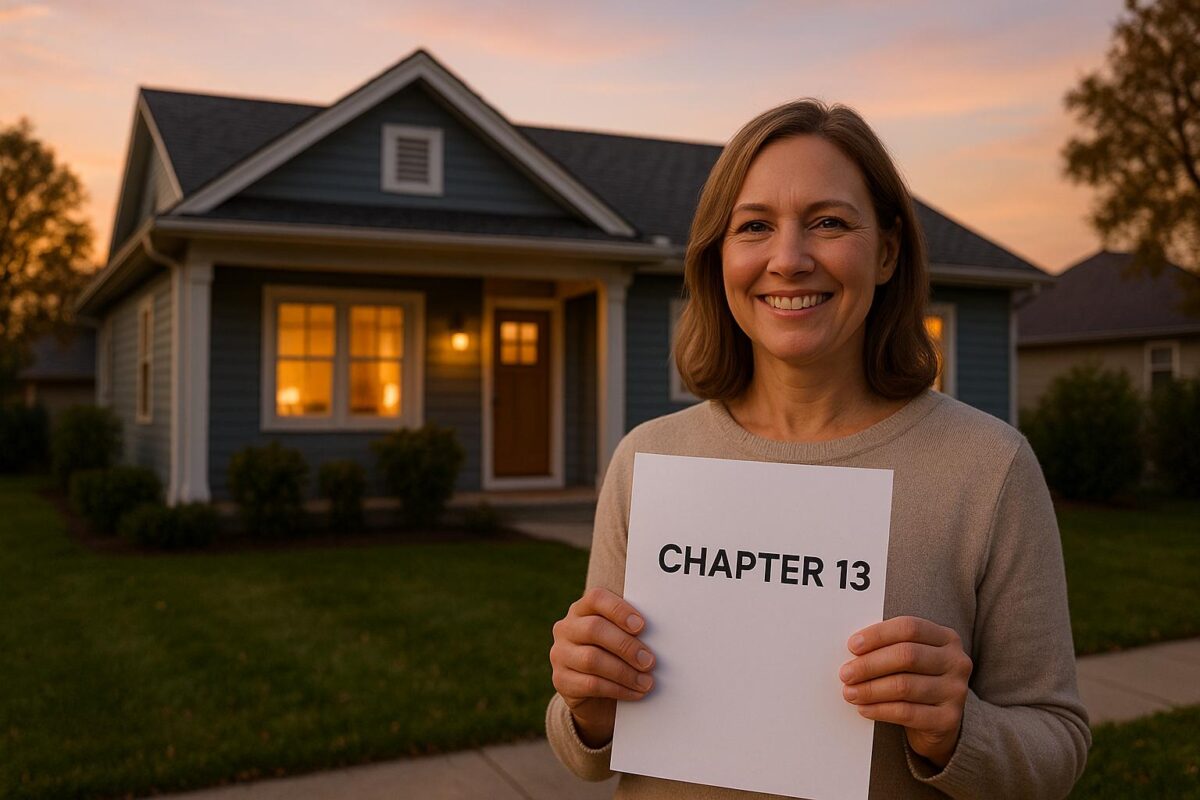
Worried about losing your home to foreclosure? Chapter 13 bankruptcy can help. By filing, you trigger an automatic stay, which immediately halts foreclosure and other collection actions. This gives you time to catch up on overdue mortgage payments through a structured 3-to-5-year repayment plan, while also keeping up with current payments.
Key points to know:
- Immediate Protection: The automatic stay stops foreclosure as soon as you file.
- Repayment Plan: Spread missed payments (arrears) over several years while maintaining regular mortgage payments.
- Eligibility Requirements: You need steady income and must meet specific debt limits.
- Timing Matters: Filing before a foreclosure sale is critical to saving your home.
- Legal Support: A bankruptcy attorney can help navigate the process and protect your rights.
While Chapter 13 offers a path to save your home, it requires strict adherence to the repayment plan and financial discipline. Professional guidance can make the process smoother and increase your chances of success.
Stopping foreclosure with Chapter 13 Bankruptcy
The Automatic Stay: Immediate Protection from Foreclosure
The automatic stay is like a legal pause button, giving you immediate relief from foreclosure and other collection efforts. This federal safeguard kicks in the moment you file your Chapter 13 bankruptcy petition. Once active, it compels creditors to stop their collection actions or risk legal penalties. This protection is broad, covering various actions that could otherwise disrupt your financial recovery:
| Action Stopped by Automatic Stay | Details |
|---|---|
| Creditor Communications | Halts all contact from creditors, including calls, bills, emails, and texts. |
| Wage Garnishment | Immediately stops wage garnishment from your paycheck. |
| Pending Lawsuits | Freezes lawsuits tied to unpaid debts, such as credit card balances, medical bills, and personal loans. |
| Vehicle Repossession | Prevents creditors from seizing assets like cars or boats. |
| Utility Disconnections | Delays shutoffs for utilities (electricity, water, gas) for at least 20 days. |
The automatic stay also extends to co-debtors on consumer debts. If someone, like a spouse or family member, co-signed a loan with you, they are protected under this shield as well.
That said, the automatic stay isn’t a catch-all. It doesn’t apply to obligations like child support, alimony, criminal cases, or certain recent tax debts. Additionally, if a landlord has already obtained a judgment for possession before your filing, eviction proceedings may proceed despite the stay.
If a creditor ignores the stay, you can take legal action. Penalties for violations can include fines, punitive damages, and reimbursement for attorney fees. Knowing the boundaries of this protection is essential, especially when considering scenarios where the stay might be lifted.
When the Automatic Stay Can Be Lifted
While the automatic stay provides crucial protection, it’s not permanent. Creditors can request a motion to lift the stay, particularly in Chapter 13 cases, which often span 3 to 5 years. For instance, mortgage lenders may push to resume foreclosure proceedings if you’re not keeping up with required payments.
Courts may agree to lift the stay in situations like:
- Falling significantly behind on secured loan payments
- Missing required home loan payments
- Failing to comply with a settlement order
Timing is key when dealing with motions to lift the stay. If you’re served with such a motion, you typically have only 14 days to respond. Missing this deadline can result in the stay being lifted automatically.
You do have options to contest these motions. For example, you can challenge improper service or demonstrate progress in your repayment plan. However, if the court sides with the creditor, they may proceed with foreclosure or other collection actions.
To keep the automatic stay in place, staying current on your mortgage payments and collaborating closely with your attorney is critical. These steps can help you maintain the protection the stay offers throughout your Chapter 13 case.
The Chapter 13 Repayment Plan: Catching Up on Mortgage Payments
Chapter 13 offers a structured way to regain financial stability while keeping your home. Unlike Chapter 7 bankruptcy, which involves liquidating assets, Chapter 13 allows you to hold onto your property by creating a repayment plan for overdue mortgage payments. This plan spreads out missed payments over several years while keeping your regular mortgage payments intact.
One of the key benefits of Chapter 13 is its ability to address multiple debts at once. From credit cards and medical bills to tax debts, the repayment plan consolidates these obligations into a single, manageable schedule. At the same time, it prioritizes catching up on your mortgage, helping prevent foreclosure while resolving other financial challenges.
Creating a Feasible Repayment Plan
Your Chapter 13 repayment plan needs to strike a balance between your day-to-day expenses and the additional payments required to clear up mortgage arrears. These plans typically last three to five years, with the exact timeframe depending on your income and the total amount of debt.
The monthly payment you propose should account for both your ongoing mortgage payments and the backlog of missed payments. The court will carefully review your plan to ensure it’s realistic, based on the disposable income you have left after covering essential living costs.
Another requirement is the "best interests of creditors" test. This ensures that creditors receive at least as much as they would if your assets were liquidated under Chapter 7 bankruptcy.
Once your plan is ready, it must be approved by the court. During a confirmation hearing – usually scheduled 20 to 45 days after filing – the bankruptcy judge reviews your proposal. Creditors can raise objections if they find the payment amounts too low or the timeline unworkable. Addressing these objections often involves working closely with a bankruptcy attorney who knows the ins and outs of local court procedures and creditor expectations.
After the court approves your plan, a bankruptcy trustee steps in to oversee its implementation, ensuring that payments are made on time and distributed correctly.
Role of the Bankruptcy Trustee
The Chapter 13 trustee plays a pivotal role in managing your repayment process. You’ll make a single monthly payment to the trustee, who then distributes it to your creditors according to your approved plan. This system simplifies the process while ensuring compliance and timely payments.
Trustees charge a fee for their services, typically ranging from 6% to 10% of your total plan payments. While this adds to your overall costs, their involvement helps keep everything on track. However, if you fall behind on payments or fail to meet other obligations – like maintaining homeowner’s insurance – the trustee has the authority to seek dismissal of your case.
It’s vital to keep communication open with your trustee. If unexpected financial difficulties arise, reaching out promptly can help you explore options to modify your plan before falling behind.
This oversight is a critical component of ensuring your plan stays on course.
Completing the Plan and Staying Current
To successfully complete a Chapter 13 plan, you must meet two key requirements: making all payments to the trustee as outlined in your plan and staying up to date on your ongoing mortgage payments. Missing either can jeopardize your case and potentially lead to foreclosure proceedings resuming.
Your regular mortgage payments should continue to go directly to your servicer and must be made on time throughout the repayment period. Even one missed payment could prompt your lender to request lifting the automatic stay, which would allow them to proceed with foreclosure.
Once you’ve completed your repayment plan, the court issues a discharge order. This eliminates any remaining balances on dischargeable debts included in the plan. With your mortgage arrears resolved, you can move forward with fewer financial burdens – provided you continue making your regular mortgage payments.
Chapter 13 completion rates vary depending on local economic factors and the specifics of individual plans. However, those who successfully navigate this process often find themselves better equipped to manage their finances in the long run, with improved financial discipline and stability.
Although it demands commitment and careful planning, Chapter 13 remains a solid option for homeowners with steady income who need time to resolve mortgage arrears and avoid foreclosure.
Eligibility Requirements for Chapter 13 Bankruptcy
Chapter 13 bankruptcy can be a lifeline for homeowners facing foreclosure, but not everyone qualifies. The bankruptcy code outlines specific criteria that determine whether you can file and create a repayment plan to save your home. These requirements focus on your income, debt levels, and timing of the filing.
To qualify, you need a steady income that can cover both your living expenses and the payments outlined in your Chapter 13 repayment plan. Since these plans typically last three to five years, the court needs assurance that you can maintain consistent earnings throughout this period.
Income and Debt Limits
Federal law sets clear limits on the amount of debt you can have to file for Chapter 13 bankruptcy. As of 2024, your unsecured debts – like credit card balances or medical bills – must not exceed $465,275, while secured debts, such as mortgages and car loans, are capped at $1,395,875.
The court also reviews your disposable income, which is what’s left after covering essential expenses, to determine if you can realistically make the payments required under the plan. This evaluation considers your employment history, current income, and any expected changes in your financial situation.
Another key factor is the means test. If your income is below your state’s median household income, you may qualify for a three-year repayment plan. On the other hand, if you earn more, you’ll likely be assigned a five-year plan. This longer timeline can make it easier to catch up on mortgage arrears by spreading payments over a greater period, potentially lowering your monthly obligations.
Previous bankruptcy filings can also affect your eligibility. For example, if a bankruptcy case was dismissed within the last 180 days because you failed to appear in court or follow court orders – or if you voluntarily dismissed your case after creditors sought to recover property – you cannot file for Chapter 13 during that time frame.
Additionally, if you’ve received a Chapter 7 discharge, you must wait at least four years before filing for Chapter 13. However, if you completed a previous Chapter 13 plan and paid at least 70% of your unsecured debts, you might be eligible to file again sooner.
Timing of Filing
Timing plays a critical role in Chapter 13 bankruptcy, especially if you’re trying to stop a foreclosure. To halt the foreclosure process, you must file your bankruptcy case before the foreclosure sale is finalized.
"The sale date is a key date because that is when you lose your rights as the owner to obtain a workout or to use the bankruptcy process to prevent foreclosure." – NCLC Digital Library
Once the foreclosure sale is complete, Chapter 13 cannot undo the transaction. This makes timing a make-or-break factor for homeowners. Missing this deadline means losing the legal option to use bankruptcy to save your home.
Given how time-sensitive these cases can be, acting promptly is essential. Preparing a Chapter 13 petition involves gathering detailed financial records, completing mandatory credit counseling, and working with an attorney to craft a feasible repayment plan. Waiting too long can lead to rushed filings, which may contain errors or fail to fully protect your interests.
If foreclosure is imminent, consulting a legal professional as soon as possible can help ensure you meet the necessary timing and eligibility requirements.
sbb-itb-d613a70
Benefits and Drawbacks of Chapter 13 for Stopping Foreclosure
Chapter 13 bankruptcy can be a lifeline for homeowners facing foreclosure, offering tools to regain financial control. But it’s not a one-size-fits-all solution. Weighing the positives and negatives can help you decide if this option fits your financial circumstances and future goals.
Benefits of Chapter 13
One of the most immediate advantages is foreclosure protection through the automatic stay. This legal shield halts foreclosure proceedings and debt collection efforts the moment you file, as previously discussed.
The repayment plan structure is another key benefit. Instead of scrambling to pay off missed mortgage payments in one lump sum, Chapter 13 lets you spread those arrears across a three- to five-year repayment plan. During this time, you also keep up with your current mortgage payments, making it a more manageable solution for many homeowners.
For those with cosigners or co-debtors, Chapter 13 offers extra protection. The automatic stay extends to shield these individuals from collection actions on consumer debts included in your plan, which can be a relief for couples or anyone with a cosigner.
Chapter 13 also enables you to consolidate multiple debts into a single monthly payment. While your primary focus may be saving your home, this process allows you to reorganize credit card balances, medical bills, and other unsecured debts. Often, you’ll end up paying less than the full amount owed on these types of obligations.
Another advantage is the flexibility in payment adjustments. If you face unexpected financial hardships during your repayment plan, the court may allow you to modify or temporarily pause your payments. This flexibility can be crucial during moments of income disruption, as long as you can prove the hardship is beyond your control.
While these benefits can be appealing, it’s important to understand the responsibilities and challenges that come with them.
Drawbacks of Chapter 13
One of the biggest challenges is the strict compliance requirements. Missing payments or failing to meet the court’s rules can result in your case being dismissed, which could put you right back at risk of foreclosure.
Another limitation is that not all debts are discharged. While unsecured debts like credit card balances may be reduced, you’re still responsible for paying secured debts, such as your mortgage, in full. Additionally, certain obligations – like recent taxes, student loans, and child support – typically cannot be discharged through Chapter 13.
Creditor challenges may also arise. For example, your mortgage lender could file a motion to lift the automatic stay if they believe you won’t complete your repayment plan or if you fall behind on payments again. Defending against these motions requires legal attention, adding stress and potential costs to your case.
The long-term financial commitment can feel restrictive. For three to five years, your spending is closely monitored by the court. You’ll need court approval to take on any new debt, even if your financial situation improves during this period. This level of oversight can be frustrating and limiting.
Your credit score will also take a hit. Although Chapter 13 is often viewed more favorably than Chapter 7 by lenders, the bankruptcy will remain on your credit report for seven years. This can make refinancing your mortgage or securing other types of credit more difficult, both during and after your case.
There are also administrative costs to consider. Trustee fees (typically 3-10% of your plan payments), attorney fees, and court filing fees are all part of the process. While these costs are included in your repayment plan, they increase the total amount you’ll need to pay over time.
Finally, the complexity of the process can be overwhelming. Successfully navigating Chapter 13 requires careful attention to deadlines, paperwork, and repayment schedules. Professional guidance is often necessary to avoid errors that could jeopardize your case.
While Chapter 13 offers a pathway to save your home, it’s essential to weigh these benefits against the challenges to determine if it’s the right choice for your situation.
Legal Support for Chapter 13 and Foreclosure Defense
Dealing with Chapter 13 bankruptcy while facing foreclosure is no small task – it’s a challenging process that demands professional legal expertise. The combination of intricate bankruptcy laws and the urgency of foreclosure proceedings makes having the right legal support crucial to safeguarding your home and financial stability.
Bankruptcy laws vary by state, and even small errors in paperwork or procedure can jeopardize your case. An experienced foreclosure defense attorney understands the details of the bankruptcy code, the requirements of local courts, and how to craft a repayment plan that gives you the best chance of success.
During the initial assessment and planning phase, legal expertise is especially critical. Your attorney will carefully review your financial situation – everything from your assets and debts to your income and expenses – to determine if Chapter 13 is the right path for you. They’ll then create a repayment plan designed to minimize your monthly payments while staying within legal guidelines.
Representation in court is another area where having an attorney is essential. If creditors or the bankruptcy trustee challenge your repayment plan, your attorney will address those objections and work to resolve them, often without requiring your personal appearance in court.
The negotiation process with creditors and trustees can make or break your case. Skilled attorneys maintain open communication with the Chapter 13 trustee, ensuring that all necessary documents are filed promptly and any concerns are addressed during the repayment period. With the right legal strategies, professional support can make a significant difference in the outcome.
How Foreclosure Defense Group Can Help
Foreclosure Defense Group specializes in Chapter 13 bankruptcy and foreclosure defense, offering comprehensive legal representation to protect homeowners’ rights throughout the process.
Their bankruptcy services go far beyond simply filing paperwork. The firm’s attorneys take a holistic look at your finances to develop a Chapter 13 repayment plan that not only addresses overdue mortgage payments but also keeps your monthly obligations manageable. They ensure that your mortgage arrears are properly structured for repayment over the plan’s duration.
Another key focus is their foreclosure defense strategies. Rather than using bankruptcy as a last-ditch effort, the firm examines the details of foreclosure cases to identify potential legal defenses against the enforceability of the mortgage. This approach can provide leverage for negotiating better terms, such as reduced interest rates, extended payment periods, or even partial debt forgiveness, which can strengthen your Chapter 13 case.
Foreclosure Defense Group also offers comprehensive financial solutions. These include loan modification services, assistance with government programs, and alternative options like loan forbearance or deed-in-lieu arrangements. For homeowners who decide keeping their home isn’t feasible, the firm provides support with short sales and other exit strategies. By renegotiating loan terms or accessing programs like HAMP-related stipends, they help create sustainable financial plans.
What sets the firm apart is its commitment to personalized client support. They recognize that every homeowner’s situation is different, so they tailor their strategies to meet your specific needs and goals. This individualized approach ensures that your Chapter 13 plan is designed with your unique financial challenges in mind.
Additionally, the firm offers free consultations, giving you the chance to explore your options with no financial risk. This allows you to better understand how Chapter 13 could work for your situation and learn about alternative strategies that might be available to you.
With the right legal support, Chapter 13 can go from feeling overwhelming to becoming a practical solution for securing your homeownership.
Conclusion: Regaining Financial Stability Through Chapter 13
Chapter 13 bankruptcy offers a lifeline for homeowners seeking to regain financial stability while keeping their homes. By triggering an automatic stay, it halts foreclosure proceedings immediately and provides a structured repayment plan to help you catch up on overdue mortgage payments over three to five years.
This process doesn’t just stop foreclosure – it also turns past-due mortgage payments into manageable installments. With Chapter 13, you can spread arrears over 36 to 60 months, all while staying current on your ongoing mortgage payments. This approach helps ease the burden of financial hardship and allows you to address other debts, potentially reducing unsecured obligations and freeing up funds for housing costs.
However, Chapter 13 is best suited for homeowners with a steady income who can adhere to the repayment plan. It requires dedication and financial discipline over several years, but for those committed to saving their homes, the advantages far outweigh the challenges. You can avoid foreclosure, preserve your credit from further damage, and work toward a more stable financial future.
Given the complexities of bankruptcy law and the urgency of foreclosure timelines, having experienced legal representation is essential. This is where Foreclosure Defense Group plays a critical role. Their expertise ensures that Chapter 13 becomes a practical and effective solution rather than an overwhelming process. With professional guidance, you can protect your home and begin rebuilding your financial foundation.
For homeowners facing foreclosure, Chapter 13 bankruptcy isn’t just about stopping the immediate threat – it’s about creating a plan that safeguards your home and sets you on a path toward long-term financial security.
FAQs
How does Chapter 13 bankruptcy help stop foreclosure compared to Chapter 7?
Chapter 13 bankruptcy is a lifeline for homeowners who want to avoid foreclosure. It allows them to set up a structured repayment plan, spanning three to five years, to catch up on overdue mortgage payments. One of its key features is the automatic stay, which immediately pauses foreclosure proceedings as soon as the bankruptcy case is filed.
On the other hand, Chapter 7 bankruptcy works differently. It focuses on liquidating assets to pay off debts but doesn’t offer a long-term repayment strategy. While it also triggers an automatic stay to temporarily halt foreclosure, homeowners usually need to pay off all missed payments in full to keep their property – something that’s often difficult to achieve.
For homeowners at risk of losing their property, Chapter 13 provides a more manageable way to safeguard their home while tackling financial difficulties over time.
What should I do if a creditor tries to lift the automatic stay during my Chapter 13 bankruptcy?
If a creditor moves to lift the automatic stay during your Chapter 13 bankruptcy, time is of the essence. You generally have 14 days to submit a written objection to the bankruptcy court. In this objection, you can dispute the creditor’s motion by highlighting any inaccuracies, questioning their claim, or explaining why the stay should remain in effect.
Be sure to attend the court hearing scheduled for this matter. This is your chance to present your argument and share any supporting evidence. The court will evaluate the details before deciding whether to lift the stay. To safeguard your rights and navigate this process effectively, it’s wise to consult a bankruptcy attorney who can provide expert advice and representation.
Can Chapter 13 bankruptcy help with other debts besides my mortgage, and how does it impact my finances overall?
Chapter 13 bankruptcy isn’t just about tackling your mortgage – it can help with other debts too. You can include medical bills, credit card balances, personal loans, and even some tax obligations in a repayment plan that stretches over 3 to 5 years. This approach can simplify your financial life by consolidating payments and making them more manageable.
On top of that, Chapter 13 offers the chance to reorganize certain secured debts (besides your primary mortgage), which might ease your overall debt load. It also pauses interest accumulation and stops collection efforts, giving you some breathing room. While committing to this plan can impact your credit score in the short term, many people emerge from the process in better financial shape, with a clearer path to stability.
Related Blog Posts
- Bankruptcy vs. Loan Modification: Which Option Is Right for You?
- 7 Legal Rights Every Florida Homeowner Should Know
- Pre-Foreclosure Checklist: 6 Steps to Take Immediately
- 3 Ways to Stop Foreclosure in Florida